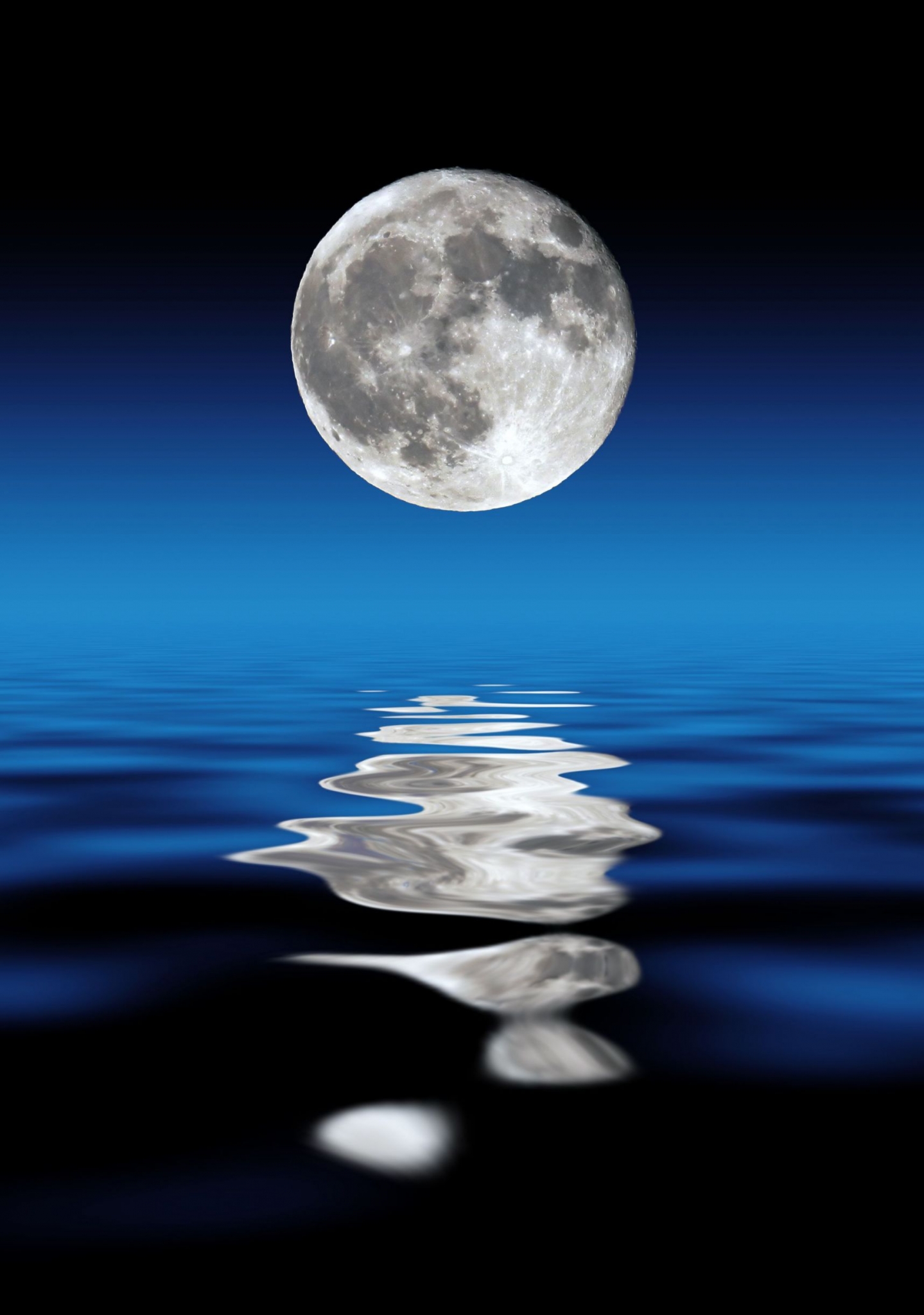
Hop, skip, and go naked under the full moonlight if you dare.
Enjoy this gorgeous mid-summer nights dream...
Hugs,
Miss Anna
The moon is symbolic and takes on many meanings in “A Midsummer Night’s Dream” by William Shakespeare. As an essay on symbols in “A Midsummer Night’s Dream” seeks to point out, it is not simply part of the background of the play, it symbolizes love, lust, and dreaming and is seen as a powerful symbolic force that determines and affects human behavior and reactions. There are abundant examples of the moon as a symbol throughout “Midsummer Night’s Dream" by Shakespeare of celestial images, but the meaning is never static; the moon means different things to each character, depending on his or her present situation or character attributes.
The moon in Shakespeare’s “A Midsummer Night’s Dream" is not only a luminous, passive watcher in the night sky, but it is a powerful force. It has an intoxicating effect on all the characters and seems to incite bizarre and illicit behavior. Notice that none of the dramatic action takes place during the light of day, and in fact, the “cock’s crow" is like a bell tolling an end to all the wild festivities the night presents. The theme of dreaming is prominent, and the moon is connected with this, as is the darkness of night, under the cover of which, anything can happen and, as the play progresses, there is a blurred line between fantasy and reality in ”A Midsummer Night’s Dream” . It is truly fascinating that many of the major themes in the play, such as dreaming, chaos, lust, and marriage can all be traced to the presence of the moon.
-- Modified on 7/8/2017 10:34:07 PM